
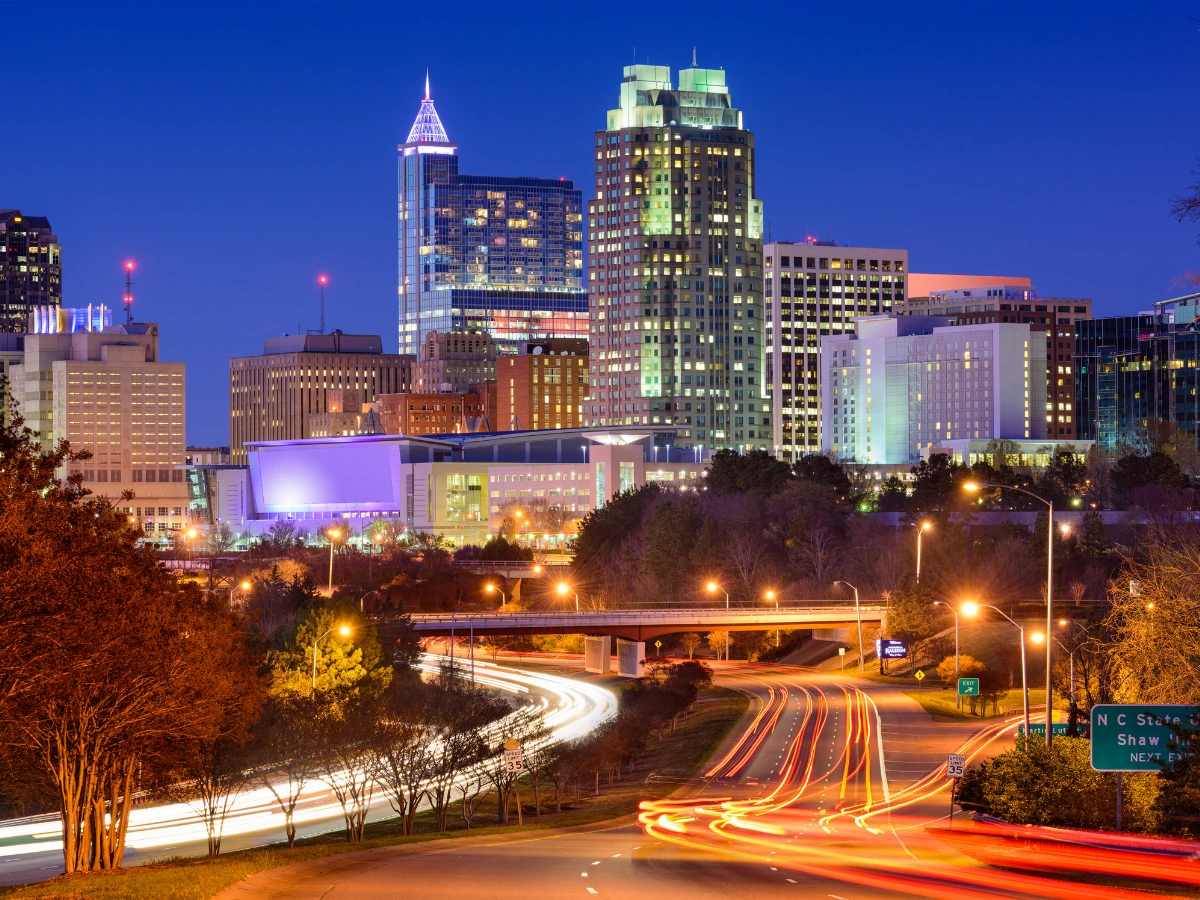
How Did Raleigh, NC Grow from a Small Planned City to a Major Metro Area?
Ever wonder how a quiet, planned capital turned into a bustling southern hub? We often forget that Raleigh’s growth of Raleigh NC history started with a simple grid. This city began as a small government center but had a vision for its future.
Join us as we explore the key moments that shaped this area. By looking at the early decisions, we understand how it became a thriving city. It’s amazing to see how careful planning made a small town into a vibrant place for thousands.
We’ll look at the strategic choices that helped the community grow while keeping its unique character. Let’s explore how this capital became the thriving place we call home today.
The Origins of a Planned Capital
The story of our state capital starts with a search for a safe and permanent home. In the late 18th century, North Carolina leaders wanted a central government seat. This was the first step in our Raleigh development timeline.
Selecting the Site for the State Capital
Finding the right location was key for national security and efficiency. They moved the government from the coast to protect it from attacks. This choice kept the state’s leadership safe and easy to reach for the growing population.
This central spot was a strategic anchor for the state. It made communication and governance easier across North Carolina. This choice helped the city grow and stay stable over time.
The Grid System and Early Urban Design
After picking the location, planners used a strict layout for growth. The city was built around Union Square, the heart of our capital today. This structured grid system helped the city grow in an organized way.
The original design had four public squares around the center. This made the city balanced and symmetrical. This layout set the stage for the city’s growth, defining our early Raleigh development timeline.
Tracing the Growth of Raleigh NC History
The late 1800s were a time of big changes for Raleigh NC. The city grew from a quiet place to a bustling hub. It faced new challenges but also set the stage for today’s Raleigh.
Post-Civil War Reconstruction and Economic Shifts
After the Civil War, Raleigh’s economy had to rebuild. It was hard to fix things and find new jobs. But the city showed remarkable persistence in finding new ways to make money.
Leaders worked hard to bring in new ideas and partners. This helped the city’s finances get stronger. It was a key step for the area’s future.
The Arrival of the Railroads and Industrial Expansion
The railroads changed Raleigh into a key place. They brought in goods, people, and new ideas fast. This helped the city grow as more people came for jobs.
With the railroads, factories and trade grew. Textile mills and plants created steady employment for many. These changes made Raleigh a major center for business.
The Catalyst of the Research Triangle Park
The creation of the Research Triangle Park in 1959 was a game-changer for Raleigh. It marked a shift from a government-focused area to a global innovation hub. This change set us on a path to become a leader in technology and research.
Visionaries Behind the Research Triangle
The park was a result of careful planning by visionary leaders. People like Governor Luther Hodges and local business leaders saw our area’s great promise. They knew that collaboration between academia and industry was key to success.
These leaders aimed to connect the classroom with the lab. They fostered a culture of partnership, setting the stage for growth. Their early vision is a key part of Raleigh’s development today.
Transforming the Local Economy Through Technology
The park’s creation moved our economy from traditional manufacturing to high-tech and biotech. This change brought a diverse job market that could handle economic ups and downs. We saw a surge in specialized industries needing skilled workers.
The Impact of North Carolina State University
North Carolina State University was a key player in our economic growth. It provided a steady flow of engineering and scientific talent. Strong research partnerships between the university and companies sped up tech advancements.
Attracting Global Talent and Corporate Headquarters
The success of these efforts made our area attractive to international companies. These companies came for our intellectual capital. Today, we remain a top choice for global talent and corporate headquarters.
Infrastructure Development and Suburban Sprawl
Our city grew from a small town to a big hub, needing new ways to handle roads and land. The Raleigh urban expansion changed how we move around every day.
The Expansion of the Beltline and Highway Systems
The I-440 Beltline is a key part of our city’s history. It connects homes to downtown, making it easier for people to get to work. This big change helped our city grow.
More highways were built to handle more cars. These roads linked suburbs to the city center. This growth helped our city expand fast.
Residential Development and the Rise of Suburbs
New communities sprouted up as the city grew. These places had big houses and green streets. They drew families from all over.
Suburbs also got big shopping areas and business centers. People could shop close to home, not just downtown. This convenient lifestyle is a big part of our suburban life today.
Cultural Evolution and Urban Revitalization
The heart of our capital city has changed a lot. It’s now a lively center of activity. This change is part of the Raleigh metro growth that has shaped our city’s identity. We’ve moved away from just focusing on work, making room for living and playing too.
Revitalizing Downtown Raleigh
One big change was opening Fayetteville Street to cars again. This move helped bring back life to the city. It led to more homes, hotels, and offices, making the streets lively at night.
Now, empty stores are filled with new businesses. Local entrepreneurs have made downtown special with their unique shops. This has helped Raleigh metro growth by drawing in people and talent from everywhere.
The Growth of Arts, Dining, and Public Spaces
We’ve also grown our cultural scene. More public art and community spots have made our streets welcoming. Our food scene is diverse, from casual spots to fancy restaurants.
These efforts have brought our community closer. We have festivals and quiet nights at galleries for everyone. This focus on quality of life keeps Raleigh metro growth strong, making our city a great place to live.
Demographic Shifts and Population Booms
Our city has changed a lot, growing from a quiet capital to a lively, growing city. This change is not just about buildings. It’s about the people who live here. Looking at the Raleigh population growth history, we see a steady increase that has changed our area.
Migration Patterns and the Influx of New Residents
Many people and families move here for new opportunities and a great quality of life. Our area is known for its tech and education jobs, attracting talent. The Raleigh population growth history shows that new residents have boosted our economy.
Newcomers add different views to our community. They look for neighborhoods with modern comforts and green areas. This migration has made our city a mix of cultures and ideas.
Maintaining Community Identity Amidst Rapid Change
We welcome a bigger population but also want to keep our heritage. Keeping the “City of Oaks” identity is important to us. We aim to make sure our Raleigh population growth history doesn’t erase what made this place unique.
Strategic urban planning is key to this balance. Investing in parks and preserving history helps us grow while keeping our essence. We want a future where progress and tradition go hand in hand.
Challenges of Modern Urban Expansion
We stand at a critical juncture where growth meets the need for careful planning. As more people and businesses come to our area, the Raleigh urban expansion pace demands a rethink. We must ensure our infrastructure can handle the needs of a booming economy.
Managing Traffic and Public Transportation Needs
Projects like the I-540 outer loop are key for keeping our region connected. With big companies moving in, we face the challenge of moving thousands of workers well. Investing in strong public transportation is now a must to cut down highway traffic.
We’re looking into making our city planning more transit-friendly. By focusing on dense areas, we aim to make travel smoother. Keeping traffic under control is a major goal to keep our daily drives easy.
Balancing Development with Environmental Preservation
We welcome growth’s economic benefits but must protect our natural beauty. Sustainable Raleigh urban expansion means keeping green spaces and watersheds safe. We aim to grow without harming our environment.
Developers and city planners are working on greener building rules. Saving our parks and trees is key to our city’s appeal. By focusing on eco-friendly infrastructure, we promise a bright future.
Reflecting on the Future of the Capital City
Raleigh has grown from a small town into a lively city. It now has over 500,000 people, marking a big step for North Carolina.
Our capital is a key spot in the Southeast. It mixes its history with a forward-thinking spirit. This mix makes it both competitive and open to everyone.
Innovation drives our local economy. By backing the Research Triangle Park and local businesses, we aim for lasting success. Explore the neighborhoods that make this area unique.
What part of Raleigh’s history catches your eye? Share your thoughts on how our city has changed. Your views help us see what’s next for our community.
We’re excited for what’s to come. By respecting our past and welcoming new ideas, Raleigh stays a top choice. We can’t wait to see how it grows in the years ahead.