
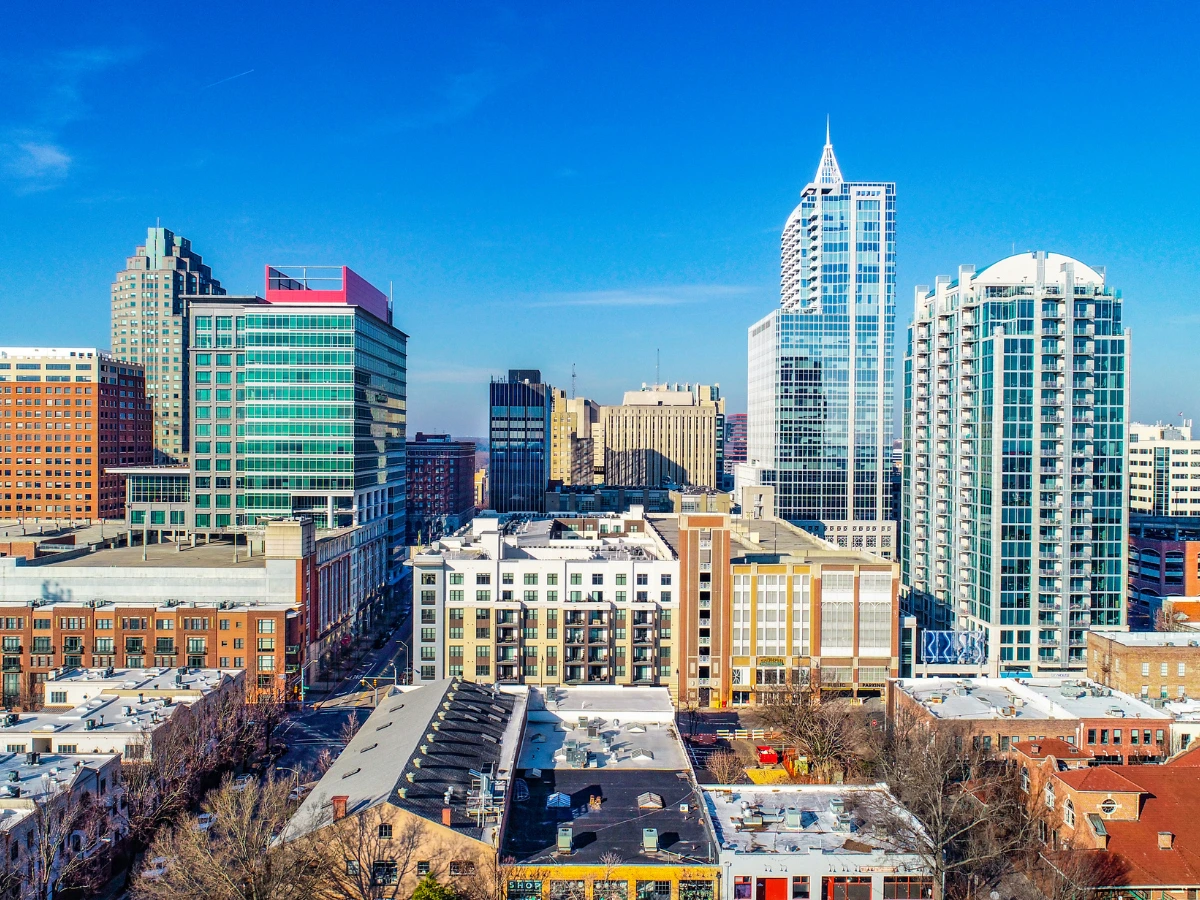
What Is the History of Raleigh, NC and How Did the City Get Started?
Ever wondered how a quiet wilderness turned into a bustling city? Let’s dive into the history of Raleigh, NC. Our story starts long before the city’s skyscrapers, when the land was just a dream for a new state government.
In 1792, lawmakers decided to create a permanent state seat. They chose a spot that would bring the growing population together. This choice marked the beginning of the Raleigh capital city we know today.
The location was carefully picked. Leaders designed a grid to be the center of government and community life. By looking back at these early days, we understand what makes this city special. Let’s explore how this place grew into the lively community we love today.
The Early Landscape and Indigenous Roots
Looking into the history of Raleigh North Carolina takes us back to the natural world and the first settlers. Before the city was founded, this area was a dense forest with hills and streams. The environment helped early communities decide where to settle and grow.
The Role of the Tuscarora People
The Tuscarora people lived here for many years. They had a strong bond with the land, using it for hunting and farming. Their presence is key to understanding North Carolina history today.
The Tuscarora managed the forests and rivers well. They had complex societies and trade networks. These paths became the basis for today’s roads.
European Exploration and Early Settlement Patterns
In the 1760s, the landscape changed with the arrival of colonial settlers. They were attracted to the area’s central location, a natural crossroads. This marked the start of early Raleigh history with small homes and farms.
Isaac Hunter opened a tavern on a main route. It became a critical gathering spot for locals and travelers. This tavern culture helped make the area a center for communication and trade.
By studying this early Raleigh history, we appreciate the city’s layers of time. The shift from indigenous lands to colonial settlements is a key part of North Carolina history. Understanding the history of Raleigh North Carolina shows how early decisions shaped the city we see today.
The Founding of Raleigh NC and the Search for a Capital
The journey to the founding of Raleigh NC was filled with debates and a clear vision. Before Raleigh existed, leaders looked for a spot that could handle a growing nation. They chose a location for a permanent capital, not just for convenience but for strategic reasons.
Why Wake County Was Chosen
North Carolina didn’t have a fixed capital in the late 18th century. Capitals like New Bern and Fayetteville were seen as temporary or at risk from coastal attacks. Wake County was picked for its central location, better protection, and easy access for inland folks.
This choice was a key moment in early Raleigh history. It helped stabilize the government and offered a neutral place for politics. It also helped the state grow internally, away from coastal influences.
The Legislative Mandate of 1792
The process started with a law in 1792 that allowed for a new capital city. This law was key for Raleigh development, giving the green light to buy land and plan streets. It turned a rural area into the state’s administrative center.
This mandate marked the official start of Raleigh’s growth. It set the stage for the city’s development, showing the careful planning that shaped Raleigh today.
Designing the City of Oaks
Exploring Raleigh’s early days, we see a story of careful planning. The city’s creation turned a quiet area into a bustling center of government.
Joel Lane and the Purchase of the Land
The success of Raleigh depended on Joel Lane’s land. He was a key figure who sold 1,000 acres to the state.
This deal was the essential foundation for Raleigh NC. It ensured enough space for a grand capital to grow with the nation.
The Grid System and Original Public Squares
After securing the land, the focus was on urban planning. A strict grid system was designed for order and accessibility.
This layout had four public squares at corners and a central square for the State Capitol. These spots are key to Raleigh’s identity today, acting as green spaces in the city.
The city’s nickname, the City of Oaks, comes from the many trees planted. This shows Raleigh’s dedication to blending nature into its urban design.
The History of Raleigh NC Through the Civil War and Reconstruction
The history of Raleigh NC is deeply marked by the Civil War and Reconstruction. The city was at the heart of a national struggle that changed its path. It faced its biggest challenge while the world around it was changing fast.
Raleigh as a Strategic Confederate Hub
As the war grew, Raleigh became key for the Confederacy. Its location helped move troops and supplies. Camp Ellis was a main spot for soldiers getting ready for battle.
The city’s rail links were vital for the war. They connected Raleigh to other important supply routes. This made Raleigh a key place for military planning in the early 1860s.
The Impact of Sherman’s March and Post-War Recovery
In 1865, Union General William T. Sherman arrived in Raleigh. Despite fears of destruction, the city was spared. This allowed Raleigh to start rebuilding sooner than others.
The Reconstruction era was tough for Raleigh’s social and economic life. The city moved from farming to a more varied economy. Raleigh slowly grew, setting the stage for its modern development.
Modern Growth and the Rise of the Research Triangle
Our city changed from a quiet place to a global innovation center in the mid-20th century. We celebrate our Raleigh city origins while welcoming new industries. This change started a period of fast growth and learning.
The Transformation into a Tech and Education Powerhouse
The Research Triangle Park was key to our success. It connected top universities with businesses, attracting talent. This focus on tech and research brought economic growth to the area.
This growth led to more people moving to Raleigh. Skilled workers changed our culture and economy. Now, Raleigh is a top choice for a great life and career opportunities.
How Raleigh City Origins Shaped Modern Urban Planning
The 18th-century grid system helped our city grow. It shaped how we handle traffic and public areas. This foundational urban design mixes old charm with modern needs.
Today, Raleigh balances old and new in its development. We use our history to guide new projects. This way, our growth is sustainable and open to everyone.
Reflecting on the Enduring Legacy of North Carolina’s Capital
Looking at Raleigh North Carolina’s history, we see a special story. This city went from a quiet place for lawmakers to a bustling center of innovation and culture.
The fast growth of Raleigh’s population shows its appeal. People come here for the mix of old traditions and new ideas. Together, newcomers and long-time residents are shaping the area’s future.
Keeping our local history alive is key as the city grows. We encourage you to explore Raleigh’s landmarks. These places connect us to the City of Oaks’ roots and tell our community’s story.
We want to hear your favorite memories of Raleigh. Your stories enrich our shared history. Let’s celebrate our past while looking forward to a bright future together.