
What Is the History of the North Carolina State Fair and How Did It Start in Raleigh?
Join us as we dive into the rich history of a cherished Southern tradition. For over 160 years, this fair has been a key part of our local culture. It has grown from a small gathering to a big celebration of community spirit.
Learning about the North Carolina State Fair history shows us how our area honors its past. We see how a simple meeting became a grand event that shapes our capital city’s identity.
By looking into the NC State Fair Raleigh history, we discover the strong ties between our land and people. This event is a big part of our lives. It brings us together to celebrate progress and heritage every year.
The Agricultural Roots of Our State Fair
Looking back at the early Raleigh agricultural exposition, we see a vision focused on progress and community growth. Before it became the big event we know today, it was a key place for those who worked the land. These NC fair origins show a strong commitment to our state’s prosperity.
The Vision of the State Agricultural Society
The North Carolina State Agricultural Society had a clear goal. They wanted a place where innovation could grow and farmers could come together. They thought sharing knowledge could improve life for everyone in the area.
This group pushed for agricultural progress by organizing events. They dreamed of a future where science would replace old ways. Their work started a tradition that would last.
Early Goals for North Carolina Farmers
The main goal was to show off what our local soil could produce. Farmers were encouraged to bring their best to share with the public. This competition motivated families to work harder and improve their farming.
The society also wanted to connect rural farmers with city folks. They made a space where city people could see the effort needed to feed our growing state. This helped build a stronger, more united community that valued our farmers.
Tracing the NC State Fair Raleigh History
Looking into the NC State Fair Raleigh history, we see its start on small plots of land. The fair’s growth matches Raleigh’s, as it needed more space for crowds.
The early success came from the Agricultural Society and local leaders working together. They made the historic North Carolina fairgrounds a key spot for farmers and families.
The First Fairgrounds Location
The first fair was held on 16 acres near the city’s heart. It was just enough for early livestock and small displays.
But, the fair’s popularity soon outgrew this small space. This made planning big events a big challenge for the early organizers.
Moving Toward a Permanent Home
As the fair grew, a bigger venue was needed. The society moved to Hillsborough Street to welcome more visitors.
This move was a key moment in the NC State Fair Raleigh history. It allowed for bigger exhibits and better facilities. This set the stage for the historic North Carolina fairgrounds to become a lasting part of our community.
These early decisions were vital for the fair’s success. They turned a small event into the big celebration we know today.
The Civil War and Reconstruction Challenges
Looking into the history of Raleigh state fair, we see a big change in the mid-19th century. The Civil War made our state focus on survival, not fairs. The fairgrounds lost their festive vibe as the nation hit its lowest point.
Impact of Conflict on Public Gatherings
The war years made big gatherings hard to plan. Resources for the fair were used for the war. This shows the resilience of the organizers who put their plans on hold for the state.
The fairgrounds were used for military needs during the war. The silence there reminded us of our country’s division. It was a time when coming together was hard, and celebrating progress had to wait.
Rebuilding Traditions in the Post-War Era
After the war, North Carolina started to heal. The fair’s return was more than just about farming. It was a vital symbol of recovery for a tired people. It helped fix our state’s social bonds.
The post-war fairs were where neighbors could reconnect and share their survival stories. This time in the history of Raleigh state fair shows our traditions are stronger than challenges. We came out of the reconstruction period ready to celebrate our heritage and farming success.
Evolution of the Raleigh Fairgrounds History
Finding a permanent home was key in Raleigh’s fairgrounds history. As our state grew, we needed a bigger, easier-to-reach space. This move helped us welcome more people than ever before.
Transitioning to the Current Blue Ridge Road Site
Choosing the Blue Ridge Road site was a big step. It gave us the space we needed for more people and complex events. This land made the historic North Carolina fairgrounds a stable place for years to come.
This change wasn’t just about more space. It was about making things better for everyone. The new layout made things more organized, improving the experience for all.
Architectural Milestones and Modern Infrastructure
In the late 1920s, we built permanent buildings. The 1928 commercial and educational buildings show our growth. These durable architectural landmarks turned the fair into what it is today.
Building modern infrastructure was key for the site’s future. These upgrades let us host many events, not just the annual fair. Our ongoing efforts keep these historic fairgrounds important to our community.
Cultural Shifts and Changing Fair Traditions
The NC State Fair has changed a lot over time. It now celebrates our state’s diverse culture. We see a mix of old traditions and new ideas at the fair.
From Livestock Competitions to Midway Thrills
At first, the fair was all about animals and crops. Farmers showed off their work and shared tips. Now, we also enjoy the Midway’s fun rides and games.
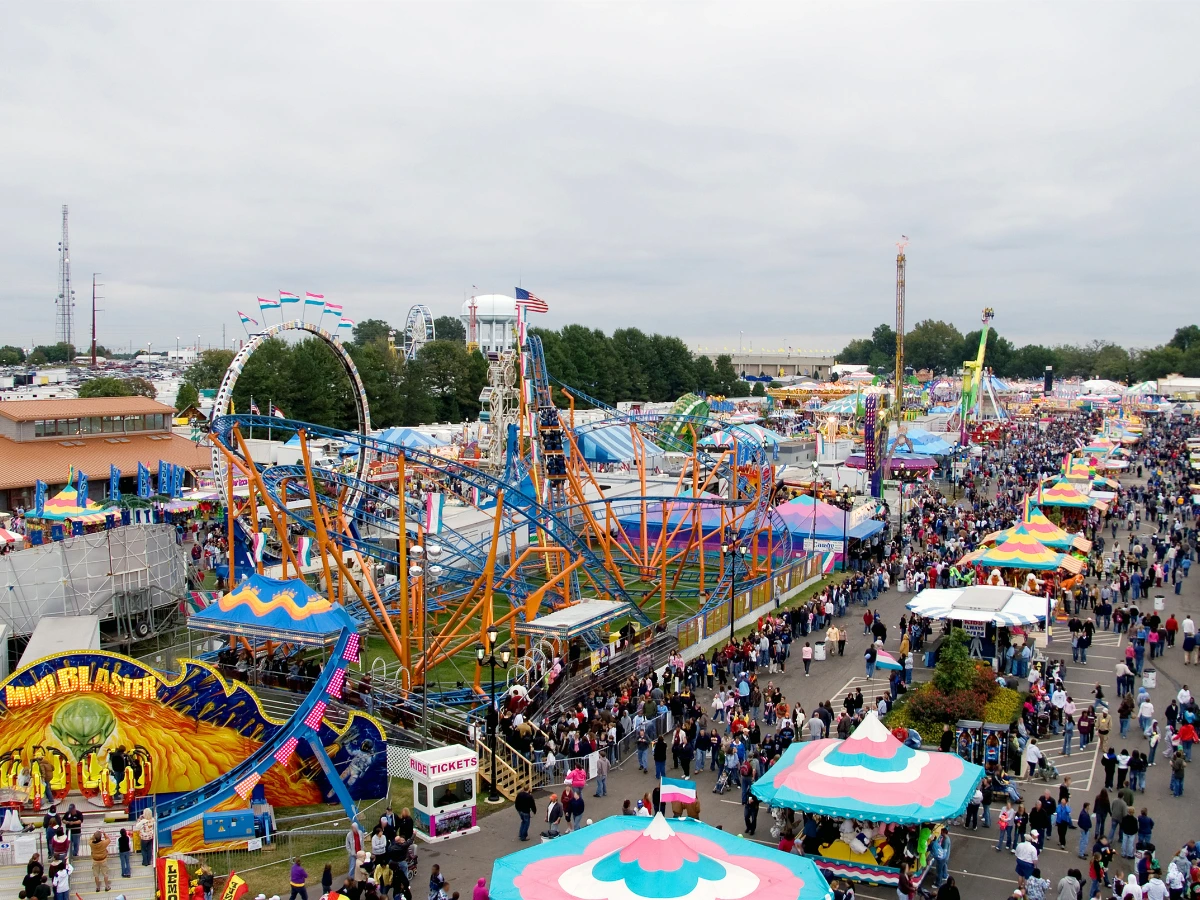
The Midway brought excitement to the fair. Families love the mix of learning and fun. This keeps the fair exciting for everyone, no matter their age.
The Role of Technology and Industrial Exhibits
The fair also shows us what’s new in technology. We’ve seen everything from old gadgets to modern robots. It’s a chance to see how tech changes our lives.
These exhibits connect our past with today’s tech. They inspire kids to study science and engineering. The fair keeps getting better with new tech, making it a key part of our culture.
Memorable Moments in Fair History
Every year, the fairgrounds become a stage for history, community, and unforgettable memories. We have seen many NC State Fair milestones that show our shared heritage. These moments make us want to come back for more.
Famous Visitors and Notable Performances
The fair is a top spot for entertainment, attracting stars from all over. The Dorton Arena is a key part of this legacy.
Its unique saddle-shaped roof has hosted legendary concerts and events for years. It’s a symbol of modern design and a highlight of our fair experience.
Weathering Storms and Overcoming Adversity
Our tradition is not just about fun; it’s about resilience. We’ve faced big challenges, like unpredictable weather.
Even when the fair had to close during the pandemic, our community stayed strong. We showed that the fair’s spirit is truly unbreakable.
These stories of perseverance remind us why the fair is important. We celebrate these moments and look forward to many more years of success.
The Fair as a Modern Community Pillar
The fair is more than just an event; it’s a key part of our community. It runs on its own money, so it can always improve. This way, we keep the NC State Fair community impact strong for years to come.
Educational Outreach and Youth Programs
The fair is a big classroom for students. It works with groups like 4-H and FFA to teach about animals, science, and leadership. These programs help grow the next leaders in agriculture and community.
The fair also has interactive exhibits that teach about food production. Visitors learn how food gets from farms to tables. This education is a big part of what makes the fair special for Raleigh folks.
Celebrating North Carolina Heritage Today
We celebrate our roots through the Got to Be NC Agriculture program. It shows off local farmers and connects visitors with them. This supports our economy and small businesses, keeping our heritage alive.
The fair is like a living museum, blending history with today. It showcases traditional crafts and modern food, celebrating our diverse culture. By keeping these traditions alive, we ensure our heritage thrives, even as the world changes.
Reflecting on the Enduring Legacy of Our Annual Tradition
We are proud of the 156-year journey of the North Carolina State Fair. It connects our rich agricultural past with our vibrant future. This event is a bridge for our state’s growth.
In 2024, 998,926 people attended the fair. This huge number shows the fair’s importance in our lives. It brings people together in Raleigh to celebrate our culture.
The fair mixes old farming traditions with new entertainment. This blend makes it exciting for every generation. It’s clear the fair will continue to thrive for years.
We want to hear your favorite fair memories. Your stories keep the fair’s spirit alive. We can’t wait to see you at the next fair and celebrate together.