
What Is Oberlin Village in Raleigh, NC and What Is Its Significance?
Looking back at the post-Civil War era, we see incredible stories of strength. One such place is a settlement that shows the resilience of formerly enslaved people in North Carolina. It was the largest of thirteen freedmen’s communities in the Raleigh area.
Understanding the Oberlin Village significance helps us see how pioneers built a thriving society. By exploring these roots, we learn about the challenges and triumphs of those seeking independence. This location is a key part of American history that we should all recognize and protect.
We invite you to join us as we explore the legacy of this unique Oberlin settlement. Together, we’ll see how this Village shaped the local area and why it inspires us today. Let’s honor the lasting spirit of the families who lived here.
The Origins and Post-Civil War Landscape
The story of Oberlin Village starts with families determined to start anew. After the Civil War, freed individuals aimed to live independently on the city’s outskirts. This time in Oberlin Village history Raleigh marked a turning point, where resilience formed a strong community.
The Vision of Freedmen in Raleigh
Many families came from the Cameron Plantation, a large area near Hillsborough Street. They dreamed of owning land and raising their children in a society that had denied them rights. Their goal was to be self-sufficient.
Together, they worked to create a safe place away from their former masters. They believed that economic independence was key to their future. Their hard work turned a challenging post-war time into a thriving community.
Establishing Roots on the Edge of the City
They chose to settle on Raleigh’s edge for freedom and access to the city. This spot allowed for farming and building homes while being close to the city’s economy. It shows their smart planning and foresight.
This development is a key part of Oberlin Village history Raleigh. Families worked hard to clear land and build homes that lasted for years. Their success in building a community in the American South is truly inspiring.
Understanding Oberlin Village Raleigh NC history
The history of Oberlin Village Raleigh NC is one of strength and vision. After the Civil War, freed people wanted to live freely and move forward. They worked hard to own land and build their futures.
James E. Harris was key in shaping this community. He named it after Oberlin College in Ohio, known for fighting slavery and teaching everyone together. This showed the community’s commitment to learning and helping others.
The Role of the Freedmen’s Bureau
The Freedmen’s Bureau was a big help during these early years. It supported families in getting land and understanding their rights. This support helped them establish a strong foundation.
Growth and Development During Reconstruction
The history of Oberlin Village shows quick growth. Black landowners and business leaders worked together. They planned the area so families could live, work, and grow together.
Economic Independence and Community Building
The people knew freedom meant being financially independent. They built schools, churches, and businesses. These helped the village grow and support each other.
The founders aimed for everyone’s success. Their dream of a self-sufficient community is a lasting legacy. Their story inspires us to achieve our goals.
The Cultural and Educational Impact of the Community
Oberlin Village was known for its vibrant culture and education. These areas helped the community grow and think freely. The people’s hard work left a lasting impact beyond the village.
The Importance of the Oberlin School
Education was key to empowering the village. The Oberlin School was a beacon of hope. It taught children to read, write, and think critically.
This focus on education made the community strong. It showed that knowledge leads to independence. Literacy and learning defined the village’s identity.
Religious Life and the Role of Local Churches
Religion united the community in tough times. Local churches were essential social hubs. They offered comfort, guidance, and a place to discuss important issues.
Churches helped neighbors through good and bad times. They advocated for the village’s needs. This spiritual base kept the community united and focused.
Fostering Black Leadership and Entrepreneurship
The village was a hub for innovation and growth. In 1892, Rev. Morgan L. Latta started Latta University. It offered industrial and vocational education to those denied formal schooling.
The university taught practical skills, empowering people to start businesses. This spirit of entrepreneurship grew, creating a diverse range of local businesses. It led to a generation of leaders in North Carolina.
Architectural Legacy and Preservation Efforts
We are dedicated to saving the history of historic Black neighborhoods Raleigh. By protecting old buildings, we keep the stories of early residents alive for others to see.
Identifying Historic Structures and Homes
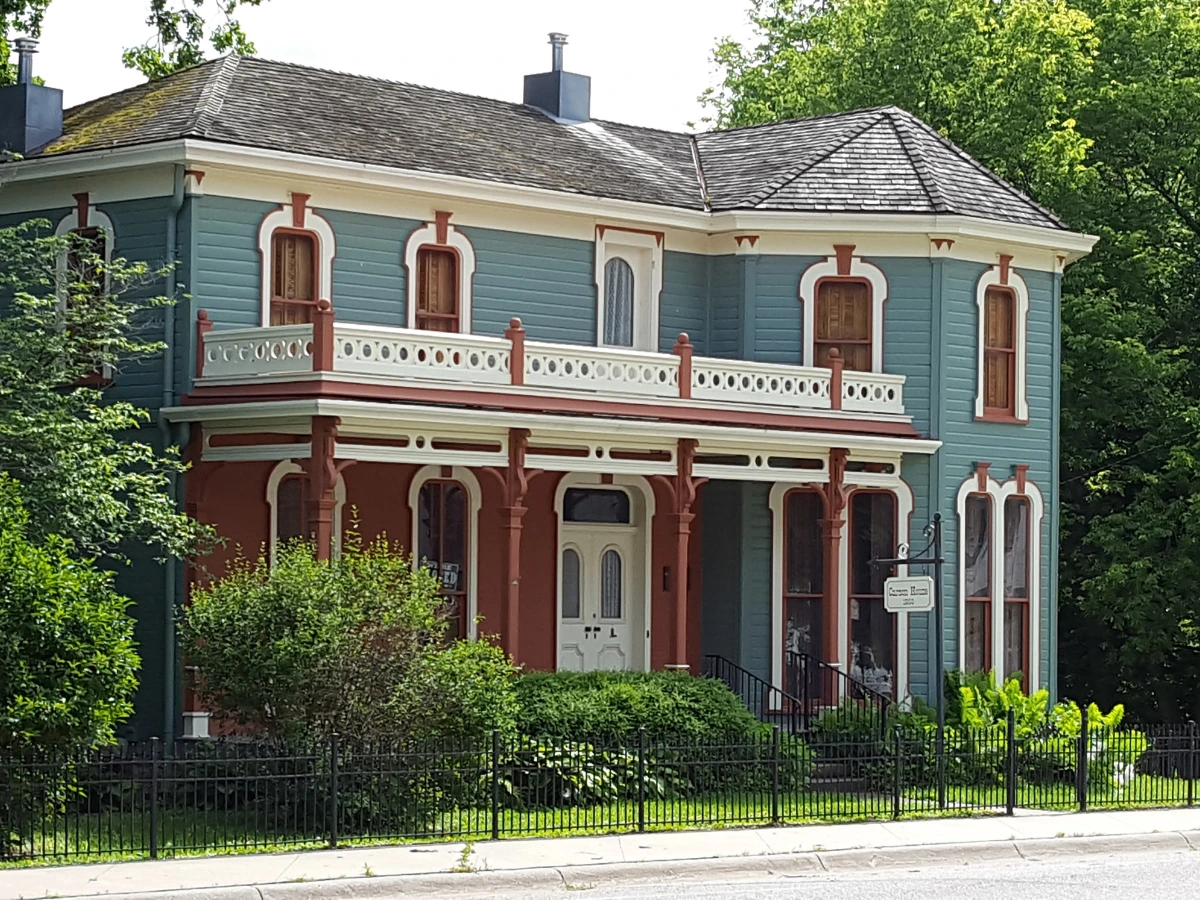
The old buildings in Raleigh show the success of the late 1800s. The Plummer T. Hall House, built in 1890, is a great example.
This Queen Anne-style home shows the skill and status of early Black homeowners. It proves the community’s ability to create lasting legacies, even with big challenges.
The Fight Against Urban Encroachment
The city’s growth puts pressure on our landmarks. New buildings often threaten to erase these important sites.
We must fight to save these places from being lost. It’s not just about keeping buildings; it’s about preserving our shared history.
Current Initiatives to Protect the Village Identity
Preservationists are working hard to keep the area’s history alive. They push for laws that respect historic Black neighborhoods Raleigh while allowing growth.
Through community efforts and landmark designations, we’re securing the future. Our work keeps the village a vibrant symbol of resilience and pride for everyone.
Challenges Faced by Freedmen Communities in North Carolina
The history of freedmen communities NC is filled with both strength and challenges. These communities were a beacon of hope and freedom. Yet, they faced many obstacles that tested their resilience.
Navigating Systemic Barriers and Segregation
Life in these early settlements was hard due to deep-seated inequality. People faced barriers to resources, credit, and legal rights. Despite this, families worked hard to build schools, churches, and businesses.
Segregation made their lives even harder, trying to keep them apart from the rest of the city. Their determination kept their culture alive during tough times. Their community spirit in the face of exclusion is truly inspiring.
The Impact of Urban Renewal on Historic Black Neighborhoods
In the mid-20th century, urban renewal projects threatened freedmen communities NC. City planners often chose big projects over saving historic homes. The extension of Wade Avenue is a prime example, cutting through the village.
This project physically split the neighborhood, destroying many historic homes. Losing these homes was a huge loss, not just property-wise. It broke the cultural ties of families and disrupted their history.
Lessons Learned from the Displacement of Residents
Looking back at freedmen communities NC teaches us about the value of heritage. We see that urban development must respect historic neighborhoods. Protecting these sites is about preserving the stories of our ancestors.
By learning from the past, we can push for more inclusive city planning. We must remember the legacy of these strong communities. Protecting our history is a duty we owe to future generations.
Honoring the Enduring Legacy of Oberlin Village
We celebrate the lasting impact of Oberlin Village’s residents on Raleigh and the U.S. These early pioneers laid a foundation of resilience. It continues to shape our local identity today.
Organizations like Friends of Oberlin Village keep this spirit alive. They preserve the cemetery and teach the public about these families’ contributions. Their work ensures we remember their struggles and triumphs.
Let’s reflect on the name Oberlin’s message. It calls us to uplift each other and honor our shared history. By supporting preservation, we honor those who came before us.
Visit the site or explore digital archives by local historians. Your interest keeps this important story alive for future generations. Together, we carry their vision forward and build a more inclusive community.